The Economist: Russia, China, Iran, and North Korea forge a deepening alliance, challenging global security
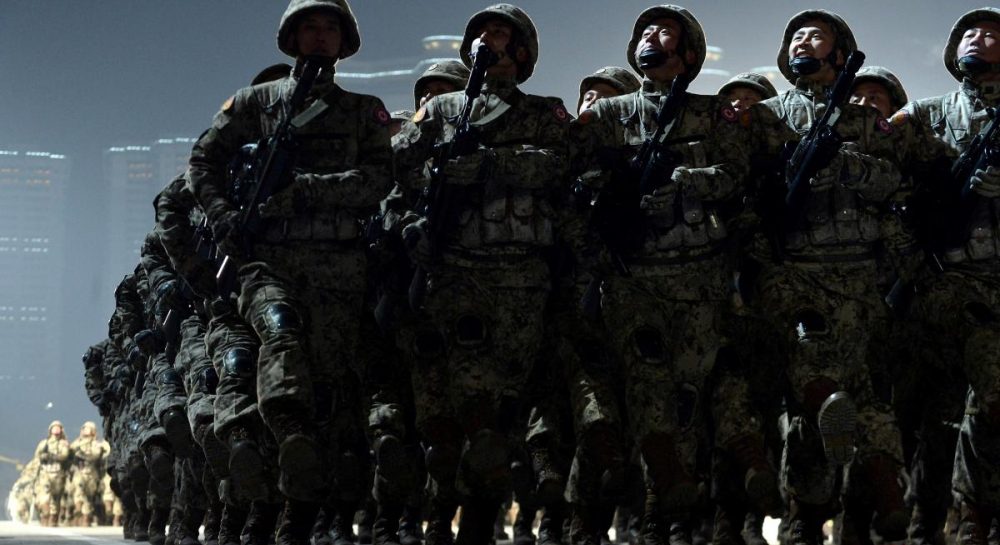
A new report by The Economist highlights the growing coordination between four authoritarian regimes, which is significantly altering the global balance of power.
 🏛️Politics
Photo: UNIAN
Key points
- Over 600 instances of security cooperation recorded since 2019
- Coordination on bypassing sanctions and military technology sharing
- Lack of a formal military bloc despite high levels of coordination
Authoritarian regimes in Russia, China, Iran, and North Korea are increasingly acting in concert, sharing military technology, intelligence, and strategies to bypass international sanctions. Data from the FDD think tank indicates over 600 instances of security-related cooperation between these nations between 2019 and 2025, with intensity spiking significantly following the full-scale invasion of Ukraine.
The nature of the informal alliance
While this cooperation does not mirror the formal structure of NATO—lacking a unified command or mutual defense treaties—the level of integration is rising. Experts note that even without official alliances, the mutual support provided by these regimes makes them far more resilient against Western pressure and poses a growing threat to global stability.
Western nations are currently struggling to formulate a cohesive response to this emerging network. Political debates within the United States regarding foreign policy approaches further complicate the situation. The Economist concludes that the collective support among these four regimes is making them significantly more dangerous to the established world order.
Source UNIAN — unian.ua/world/rosiya-knr-iran-ta-pivnichna-koreya-stvorili-neforma… ↗
Read next
 🚨Events
Kremenchuk to Open Main City Christmas Tree and Festive Fair on December 4
Kremenchuk will kick off the winter holiday season on December 4 by lighting the main Christmas tree and festive illuminations in the city center. Generators provided by …
 🎭Culture & Sport
MONATIK builds his team on 'Holos Krayiny-14' and releases joint music video
Ukrainian singer and coach MONATIK has completed his team selection for the 14th season of 'Holos Krayiny' and released a new track and music video titled 'Frison'.
 🏙️City
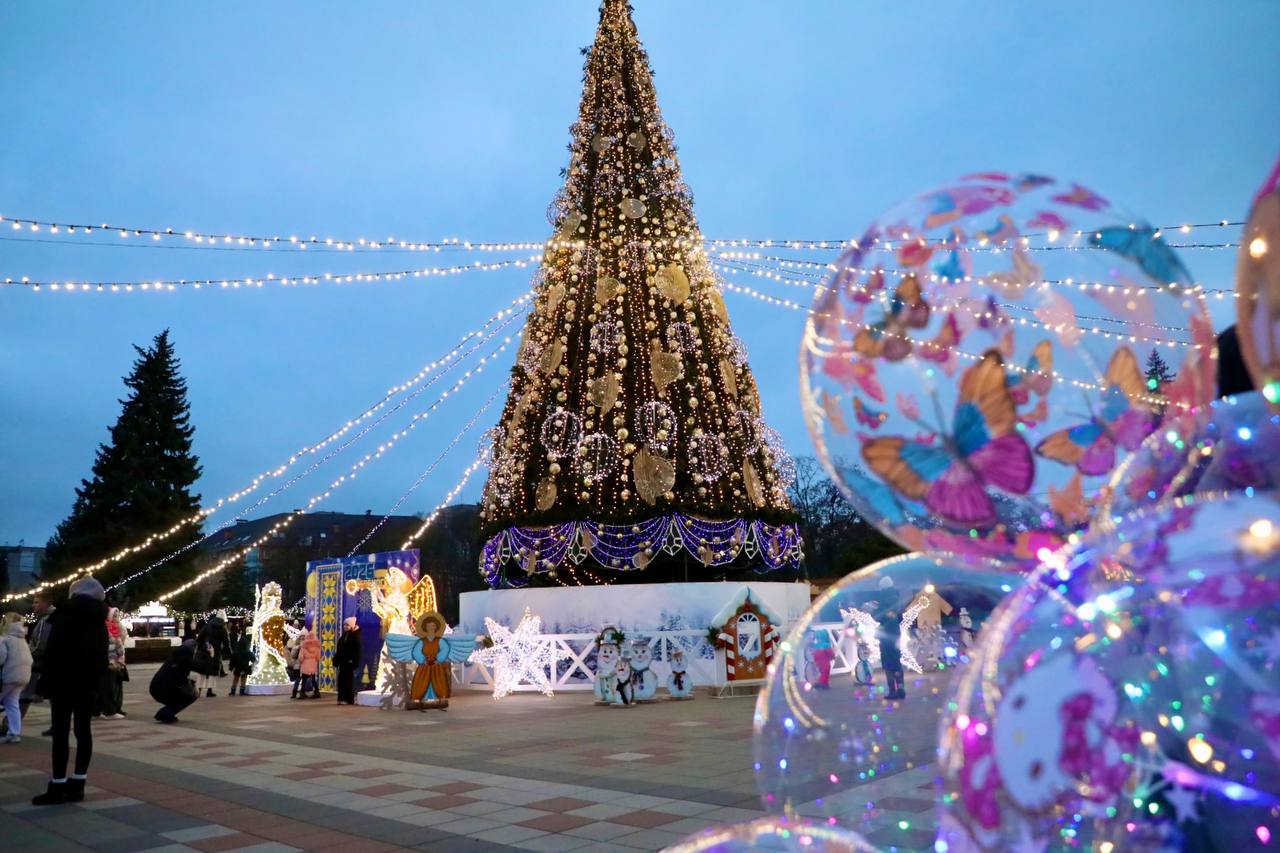
Kremenchuk Announces Opening Dates for Main Christmas Tree and New Year Fair
Kremenchuk will light up its main Christmas tree and open the New Year fair on December 4, 2026. Local businesses have provided generators to keep the festive lights runn…
 🧠AI Analysis
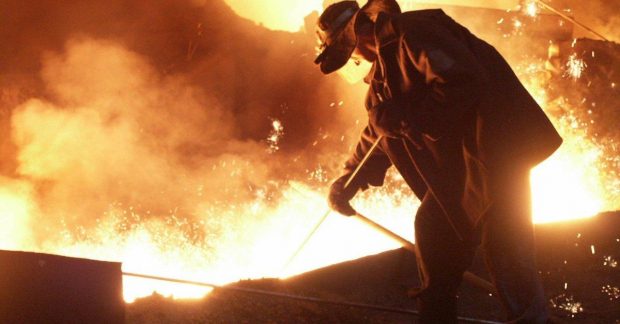
Cascading Crisis in Metallurgy Threatens Ukrainian City Budgets and the Economy
Production cuts in Ukraine's mining and metals sector are causing tax and job deficits, triggering a chain reaction across the entire economy and local communities.
 🛡️Security
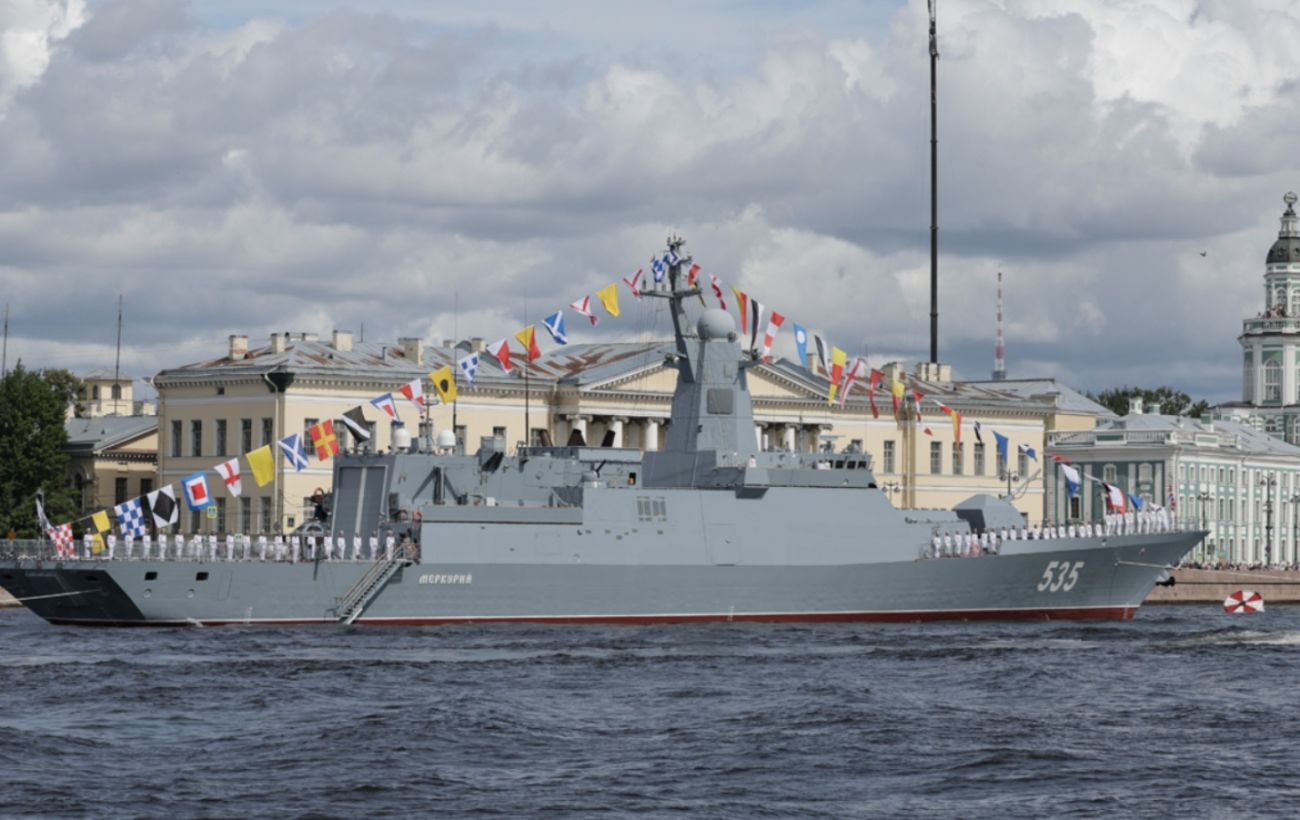
Ukrainian Defense Forces Destroy Russian Missile Corvette «Merkuriy» Near Libya
Ukrainian forces, in cooperation with security services, struck and sank a modern Russian missile corvette in the Mediterranean Sea.
 🧠AI Analysis
Thermal Modernization Funding in Kremenchuk: 2027 Plans and EBRD Loan Challenges
The draft budget of the Kremenchuk community for 2027 allocates tens of millions of hryvnias to repay the EBRD loan and support the municipal company KMEK amid prolonged …